
Automation and Self Service in Modern Information Systems
Modern information systems increasingly rely on automation and self-service functionality to improve efficiency, reduce operational costs, and enhance user satisfaction. Libraries, archives, and information centers implementing automated workflows and self-service portals enable patrons to accomplish tasks independently while freeing staff for complex inquiries requiring human expertise. This shift fundamentally changes how information organizations operate, moving from transaction-focused service models to consultation and education roles. Understanding automation opportunities and self-service design principles helps administrators modernize operations without sacrificing service quality or accessibility.
Automation Opportunities in Information Services
Information systems contain numerous repetitive processes suitable for automation, from routine notifications to data processing tasks. Identifying automation candidates requires analyzing workflows to distinguish routine transactions from activities requiring judgment and personal interaction. High-volume, rule-based processes deliver the greatest return on automation investment, particularly when they create bottlenecks limiting staff capacity for higher-value work.
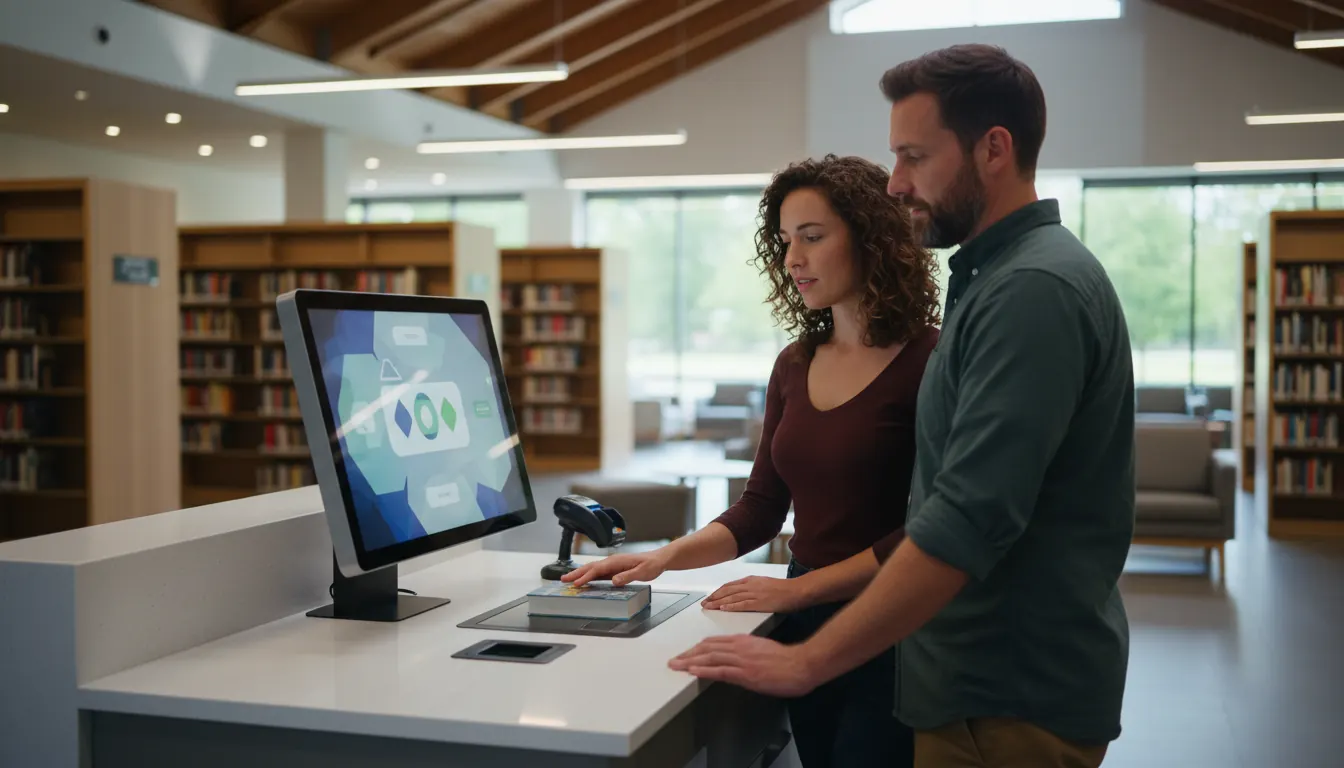
- Automated circulation processes including checkouts, returns, renewals, and overdue notices eliminate routine transactions
- Batch processing for cataloging, acquisitions, and collection management reduces repetitive data entry tasks
- Scheduled reports and analytics dashboards provide insights without manual data compilation
- Integration between systems transfers information automatically, eliminating duplicate entry across platforms
Self-Service vs Staff-Mediated Services
Effective service design balances self-service convenience with staff support for complex needs. Not all services should be automated—some interactions benefit from personal assistance and professional expertise.
| Service Type | Self-Service Approach | Staff Support Role |
|---|---|---|
| Account management | Online portals for updates | Complex issues and exceptions |
| Material checkout | Self-service kiosks | Equipment problems and special materials |
| Information discovery | Catalog and database search | Research consultation and instruction |
| Room booking | Automated scheduling systems | Event planning and technical support |
"The goal of automation isn't replacing human service—it's removing barriers to simple transactions so staff can focus on complex needs where expertise truly matters."
User Experience Design for Self-Service Systems
Successful self-service systems require intuitive interfaces that guide users through processes without assistance. Design principles from consumer technology—clear navigation, progressive disclosure, helpful error messages, and mobile responsiveness—apply equally to library self-service platforms. Accessibility considerations ensure automated systems serve all users including those with disabilities. Regular usability testing reveals friction points where users struggle, informing iterative improvements. Analytics tracking completion rates, abandonment points, and error frequency help administrators optimize self-service experiences. The most effective self-service systems make common tasks so straightforward that users prefer them to staff assistance, reserving human interaction for consultations where professional expertise adds genuine value beyond simple transaction processing.