
TechEssence Info Essential Technology Guidance for Library Decision Makers
Library administrators face a unique challenge in today's digital landscape. They must make critical technology decisions affecting thousands of users, yet most come from information science backgrounds rather than computer programming. This is where tech essence becomes invaluable—understanding what technology does and why it matters, without needing to know how to build it from scratch. Roy Tennant, a pioneer in digital library development, spent decades advocating for practical technology education that empowered library professionals to make informed choices without requiring programming skills.
What Makes Library Technology Decision Making Unique

The Gap Between IT Solutions and Library Needs
Corporate technology solutions rarely translate directly to library environments. Software designed for retail inventory management might seem applicable to circulation systems, but it fundamentally misunderstands how libraries function. Commercial systems prioritize profit maximization and customer segmentation—concepts that conflict with libraries' core values of universal access and privacy protection. A bookstore wants to know which customers buy which books; libraries specifically avoid tracking individual reading habits to protect intellectual freedom.
Resource constraints also set libraries apart from typical IT implementations. While corporations might allocate millions to system overhauls with dedicated technical staff, most libraries operate on tight budgets with generalist staff wearing multiple hats. Technology decisions must account for limited training time, minimal technical support capacity, and systems that need to work reliably for years with minimal intervention.
Why Library Administrators Need Tech Essence Not Technical Depth
Understanding code syntax provides little practical value for library directors making strategic decisions. What matters is grasping how technologies affect user experience, staff workflow, budget allocation, and long-term sustainability. Tech essence means recognizing that authentication system decisions have implications for patron privacy, accessibility, system integration, and staff workload. Administrators with tech essence can spot vendor red flags and ask the right questions about integration, references, and long-term costs.
Building a Technology Strategy Without a Programming Background
Effective technology strategy begins with clearly articulated goals tied to library mission and community needs. Before evaluating any system, administrators should define what success looks like: faster checkouts, better material discovery, increased program attendance, improved accessibility. These outcome-focused goals provide criteria for evaluating options without requiring technical expertise. Building strategic technology literacy involves cultivating peer relationships, following industry discussions, and asking good questions through library consortiums and professional associations.
Core Technology Components Every Library System Needs

Foundational Systems Comparison for Different Library Types
| System Type | Primary Function | Complexity Level | Decision Priority |
|---|---|---|---|
| Integrated Library System (ILS) | Cataloging, circulation, acquisitions, patron management | Medium to High | Critical—core operations depend on it |
| Discovery Layer | User-facing search interface for library materials | Medium | High—directly impacts user experience |
| Digital Asset Management | Organize and provide access to digital collections | Medium to High | Varies—essential if you have digital collections |
| Website/CMS | Public-facing information, events, news, services | Low to Medium | High—primary communication channel |
Different library types prioritize these systems based on their missions. Academic libraries supporting research need robust discovery tools and digital collections management, while small public libraries might prioritize circulation efficiency and program registration. Understanding system dependencies helps administrators evaluate whether proposed solutions will work together or create frustrating silos.
Understanding Integrated Library Systems and Digital Infrastructure
The integrated library system remains the backbone of library operations. Modern ILS platforms handle far more than traditional cataloging and circulation—they manage electronic resource licenses, track usage statistics, coordinate interlibrary loan, and incorporate discovery interfaces. Many libraries have migrated to hosted solutions where vendors manage technical infrastructure, trading direct control for reduced maintenance burden. This shift changes required skills from server administration to vendor management and service level agreement negotiation.
Cloud vs On-Premise Solutions for Modern Libraries
Cloud computing has fundamentally altered library technology decision-making. Software-as-a-service models offer lower upfront costs, automatic updates, scalability, and access to enterprise-grade infrastructure. However, cloud solutions introduce considerations around data ownership, privacy, long-term costs, and vendor dependency. Total cost calculations must account for subscription fees that continue indefinitely, potential price increases, and eventual migration costs. The decision requires balancing immediate savings against long-term strategic considerations.
Making Smart Technology Decisions on Limited Budgets

Evaluating Vendor Claims and Hidden Costs
Vendor presentations showcase impressive demonstrations, but experienced administrators look beyond sales pitches. The question isn't whether a system can theoretically do something, but whether it will reliably do it in your environment. Requesting references from comparable libraries reveals how features work in practice and what ongoing issues persist. Hidden costs often exceed obvious software licensing fees—migration requires data cleanup, staff training takes significant time and money, and integration can be substantial when "standard APIs" require custom development.
Technology Investment Priorities for Maximum Impact
- Stabilize core operations first before pursuing innovative additions. If your circulation system crashes regularly or patrons struggle with basic account access, fixing fundamental problems delivers more value than implementing exciting new features. Reliable basics matter more than impressive capabilities few users will discover.
- Invest in systems that reduce staff workload for repetitive tasks. Automation of routine processes like overdues notification and holds management frees staff time for work requiring human judgment. Self-service options shift simple transactions away from staff desks.
- Prioritize user-facing improvements that remove barriers to access. Better search interfaces, mobile-friendly websites, and simplified account creation directly serve library missions. Accessibility improvements represent both ethical imperatives and practical user base expansions.
- Build capacity for data-informed decision-making through analytics tools. Understanding how users interact with library systems enables evidence-based planning. However, privacy protection must guide analytics implementation—aggregate trends are valuable while individual tracking is problematic.
- Invest in integration and interoperability rather than isolated solutions. Systems that connect smoothly with existing infrastructure provide flexibility for future changes. An integrated ecosystem serves users better than disconnected best-of-breed tools that fight with each other.
Open Source Alternatives and When They Make Sense
Open source library systems offer compelling alternatives to commercial vendors, particularly for libraries with technical capacity or consortial support. Platforms like Koha and Evergreen provide sophisticated functionality without licensing fees. However, open source isn't free—implementation and support require technical expertise many libraries lack. Open source makes most sense when libraries have in-house technical capacity, participate in strong consortial networks, or place high value on control and customization.
Managing Specialized Collections From Digital Archives to Casino Libraries

When Libraries Need Specialized Digital Collection Systems
Standard library systems excel at managing traditional materials but struggle with unique collections requiring specialized handling. Digital archives of photographs and manuscripts need different metadata schemas and preservation workflows than circulating materials. A local history collection might require detailed geographic indexing that general library systems don't support. These specialized needs justify implementing dedicated systems despite added complexity.
Building and Managing Casino Library Resources for Public Education
The concept of a casino library represents a specialized collection focused on gaming, probability, responsible gambling education, and industry information. As casinos and online gaming become more prevalent, patrons need access to information about game rules, odds calculation, problem gambling prevention, and social impacts of the gaming industry.
- Establish clear collection development policies defining scope and educational purpose. A casino library should focus on information literacy, mathematical understanding, and harm reduction. Materials might include books on probability theory, guides to understanding game mechanics, resources on gambling addiction support, and regulatory frameworks.
- Organize materials using specialized classification that helps users find information effectively. Standard library classification systems don't adequately differentiate casino-related materials. Developing local subdivision schemes allows precise organization: separating game strategy from probability theory, distinguishing responsible gambling resources from industry analysis.
- Curate both traditional and digital resources including databases, websites, and interactive tools. Casino library materials extend beyond books to include gambling research databases, problem gambling screening tools, odds calculators that help users understand house edge, and links to regulatory agencies.
- Partner with community organizations addressing problem gambling and financial literacy. Libraries serve as neutral spaces for education and support services. Collaboration with counseling services and public health agencies strengthens the library's role while ensuring comprehensive resource provision.
- Maintain strict privacy protections recognizing the sensitive nature of usage data. Patron interest in casino library materials deserves the same privacy protection as any other information seeking. Clear policies about data retention ensure the library maintains trust while providing important resources.
Content Organization Principles for Non-Traditional Materials
Specialized collections challenge traditional organization methods developed for books and journals. The fundamental principles of librarianship—providing findability, context, and preservation—remain constant, but implementation methods must adapt. Casino library materials might need fields for game type, skill level required, jurisdictional applicability, and mathematical prerequisites that standard bibliographic records don't accommodate.
Implementation Strategies That Actually Work in Real Libraries

Technology Rollout Roadmap by Library Size and Budget
| Implementation Phase | Small Library Approach | Medium Library Approach | Large Library Approach |
|---|---|---|---|
| Assessment & Planning | Director reviews 3-5 systems, budget analysis | Form committee, survey staff/users, demo 5-8 systems | Full needs assessment, RFP process, multi-year modeling |
| Vendor Selection | Direct negotiation, simple contract review | Formal presentations, reference checks, legal review | Evaluation teams, site visits, pilot testing |
| System Preparation | Basic data cleanup, training schedule | Data audit, identify integration requirements | Full migration project with quality assurance |
| Staff Training | Vendor training plus peer learning | Structured program with role-specific tracks | Train-the-trainer with comprehensive documentation |
Total timeline from decision to fully operational system typically spans 9-18 months, with complex implementations taking two years or longer. Administrators should resist pressure to rush implementations—inadequate preparation leads to system failures and user frustration.
Staff Training and Change Management Best Practices
Technology implementations fail more often from inadequate change management than technical problems. Effective change management begins before system launch with clear communication about why changes are happening and what benefits users will experience. Training programs must accommodate different learning styles and technical comfort levels. Hands-on practice in realistic scenarios works better than lecture-style presentations. Ongoing education through regular tips helps organizations fully utilize their technology investments.
Measuring Success and Adjusting Your Technology Strategy
Defining success metrics before implementation enables objective assessment of whether systems deliver expected benefits. Quantitative measures like reduced processing time or increased circulation provide concrete evidence. Qualitative feedback through surveys reveals how systems affect user experience. Regular strategy reviews ensure technology continues serving organizational needs as circumstances change.
FAQ
What is tech essence and how does it differ from technical knowledge?
Tech essence refers to understanding what technology does and why it matters without needing deep technical implementation knowledge. While technical knowledge involves programming skills and system architecture, tech essence focuses on practical decision-making capabilities. Library leaders benefit more from the ability to evaluate options and make strategic choices than from technical skills they'd rarely use directly.
How do small libraries compete with limited technology budgets?
Small libraries maximize limited resources by participating in consortiums that share costs, using open source solutions that eliminate licensing fees, choosing cloud-based systems that reduce upfront infrastructure costs, and strategically prioritizing high-impact basics. Many also benefit from state library agency support programs and grant funding.
What are the most common technology mistakes library administrators make?
Common mistakes include underestimating total cost of ownership by focusing only on licensing fees, choosing technology based on impressive demonstrations without verifying reliability, skipping adequate change management, and pursuing innovative features before stabilizing basic operations.
How can libraries create specialized collections like casino libraries?
Creating specialized collections requires clear purpose definition, appropriate collection policies, organizational structures that help users navigate materials effectively, and ongoing resources for maintenance. Start by identifying community needs the collection serves, then develop policies guiding material selection consistently.
Should libraries invest in proprietary or open source systems?
The choice depends on specific circumstances. Proprietary systems offer vendor support and reduced need for technical expertise. Open source systems provide flexibility and avoid vendor lock-in but require technical expertise. Consider total cost of ownership, technical capacity, desire for customization, and long-term strategic flexibility.
What technology skills should library staff actually learn?
Library staff benefit most from practical technology fluency enabling them to use tools effectively and learn new systems independently. Basic troubleshooting skills, understanding how to evaluate online information, recognizing security threats, and protecting privacy serve professional needs. Most importantly, developing adaptability and willingness to learn new tools provides long-term value.
How do you evaluate whether a vendor solution is worth the cost?
Look beyond initial purchase price to total cost of ownership over the system's expected lifespan. Calculate ongoing expenses including hosting, support contracts, and training. Request detailed references from comparable institutions and evaluate vendor stability.
What is the typical timeline for major library technology projects?
Most significant implementations require 12-24 months from initial decision through fully operational systems. Assessment and planning consume 2-4 months, system preparation takes 2-4 months, and training spans 3-6 months. Stabilization continues 3-6 months after launch.
Conclusion
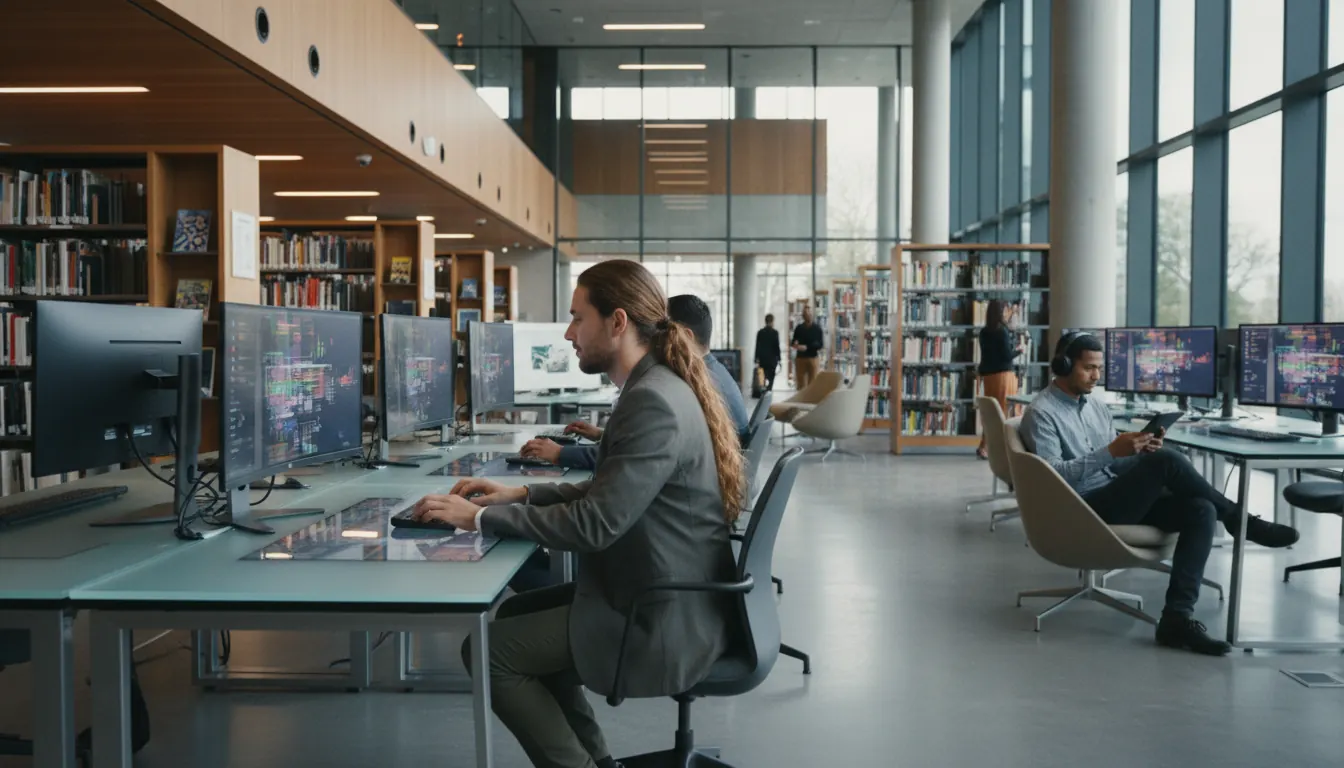
Library technology decision-making requires mission focus, practical constraints, and user-centered thinking. Administrators serve their institutions best by developing tech essence—understanding what technology does and why it matters. As libraries evolve their community roles, technology enables expanded services from traditional materials lending to specialized collections like casino libraries for responsible gaming education. The fundamental approach remains the same: clearly define purpose, select appropriate tools, train staff effectively, and measure results honestly.